
Introduction
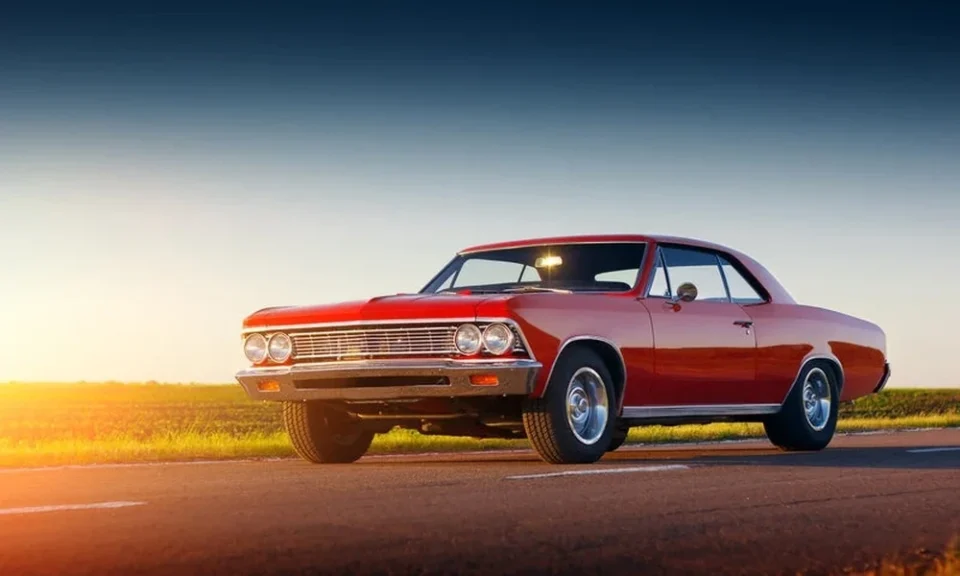
Investing in classic muscle cars can be an exciting opportunity for collectors and automotive enthusiasts. Many classic vehicles have historical value, unique designs, and the potential to appreciate over time. However, purchasing a classic muscle car requires careful research and thoughtful planning. Factors such as vehicle condition, maintenance costs, authenticity, and long-term ownership expenses should all be considered before making an investment. Understanding these important considerations helps buyers make informed decisions and protect the value of their investment.
Before making a final financial commitment, gathering trusted Classic Muscle Car Insights can provide critical guidance on market nuances, valuation trends, and potential pitfalls. Navigating this specialized market successfully requires balancing enthusiasm with objective appraisal, as subtle factors like factory options, regional demand, and original production numbers heavily influence a vehicle’s true worth. Integrating these practical observations into your initial research ensures you approach prospective deals with confidence and properly safeguard your capital from the very start.
Evaluate the Vehicle’s Condition
The overall condition of the vehicle is one of the most important factors to review. Buyers should carefully inspect the body, engine, transmission, suspension, interior, and other major components.
A well-maintained vehicle may require fewer repairs and can offer greater long-term value.
Verify Authenticity
Authenticity plays a major role in the value of classic muscle cars. Buyers should confirm that important components, identification numbers, and vehicle records match the original specifications whenever possible.
Verifying authenticity helps ensure that the vehicle maintains its historical and collector value.
Review Maintenance Requirements
Classic vehicles often require more maintenance than modern cars. Before investing, buyers should understand the maintenance schedule, parts availability, and the level of care needed to keep the vehicle in good condition.
Planning for ongoing maintenance helps prevent unexpected expenses in the future.
Consider Restoration Costs
Some classic muscle cars may require repairs or restoration before they can be fully enjoyed or increase in value. Buyers should carefully estimate the cost of restoring the vehicle before making a purchase.
Understanding restoration expenses helps determine whether the investment fits the available budget.
Research Market Trends
The value of classic muscle cars can change over time. Reviewing current market conditions and long-term demand helps buyers better understand the potential value of a particular model.
Market research supports more informed investment decisions and realistic expectations.
Plan for Storage and Protection
Proper storage is essential for preserving the condition of a classic vehicle. Keeping the car in a clean, dry, and secure location helps protect it from weather, moisture, and unnecessary wear.
Good storage practices help maintain both appearance and long-term value.
Understand Ownership Costs
In addition to the purchase price, buyers should consider insurance, maintenance, registration, storage, and repair costs. These ongoing expenses are an important part of owning a classic muscle car.
Planning for total ownership costs helps avoid financial surprises after the purchase.
Conclusion
Investing in classic muscle cars requires careful planning and thorough research. Evaluating the vehicle’s condition, verifying authenticity, reviewing maintenance requirements, considering restoration costs, researching market trends, planning for proper storage, and understanding ownership expenses all contribute to making a smart investment. By reviewing these important considerations before purchasing, buyers can make informed decisions, protect their investment, and enjoy owning a classic muscle car for many years.
