
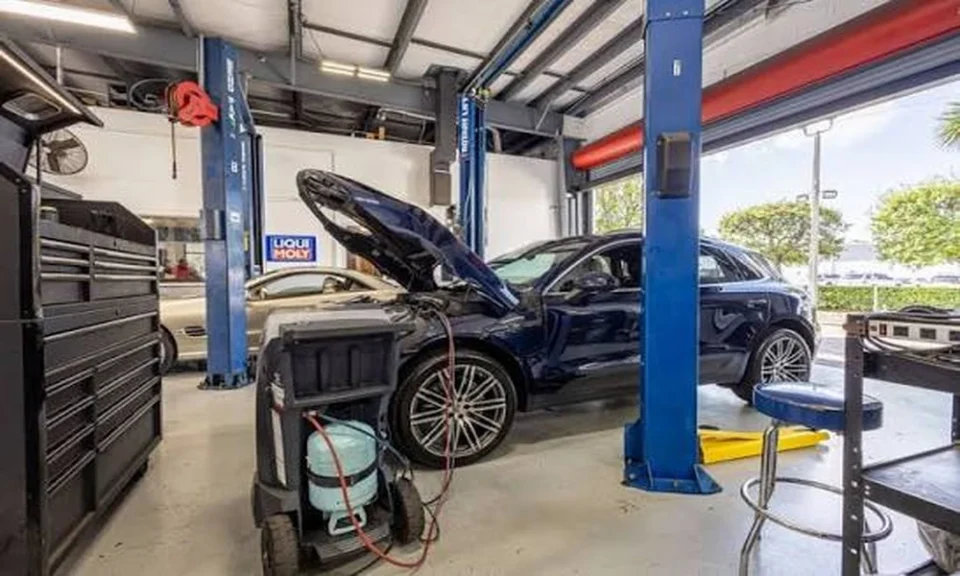
A damaged car hose can affect cooling performance and create expensive engine problems. The right decision depends on damage severity and the hose material. Sometimes a minor issue can receive a proper repair. But serious deterioration usually requires complete hose replacement. The choice should always protect reliable engine operation and prevent sudden fluid loss.
When a Car Hose May Need Repair
A hose may sometimes be repaired when damage remains small and localized. Minor surface issues can occasionally receive temporary attention from experienced automotive technicians. A secure connection may solve problems caused by loose clamps or fittings. However, a damaged hose wall usually cannot provide lasting reliability after deterioration begins. At Auto Repair in Littleton, Co professional inspection can identify the safest solution.
Signs That Replacement Is Necessary
Replacement becomes important when cracks appear across the hose surface or connections. Soft areas can indicate internal deterioration that weakens the hose structure. Bulges also suggest pressure damage and possible failure under normal operating conditions. Now replacement becomes more sensible when deterioration affects several areas of one hose. EAS Tire & Auto can help determine whether replacement offers better long-term reliability.
Why Coolant Hoses Often Need Care
Coolant hoses experience constant temperature changes during normal engine operation. These repeated changes can gradually weaken rubber materials and their internal reinforcement. A hose may feel flexible while still developing hidden internal damage. So regular inspection can identify deterioration before a major coolant leak develops. The cooling system depends on strong connections and properly sealed hoses throughout operation. EAS Tire & Auto can inspect related components when hose damage appears.
Why Fuel and Vacuum Hoses Need Different Attention
Fuel hoses require careful inspection because leaks can create serious safety concerns. Cracking around fuel connections should never receive a casual temporary repair. Vacuum hoses can develop small leaks that affect engine performance and efficiency. Sometimes replacement provides a more dependable solution than repeated patching attempts. The correct hose material must match the vehicle system and operating conditions. EAS Tire & Auto can recommend suitable replacement options for damaged automotive hoses.
FAQs
Can A Hose with Tiny Surface Cracks Remain Reliable?
Tiny cracks can indicate aging materials and increasing weakness beneath the surface. Professional inspection can determine whether immediate replacement provides better protection.
Can Replacing Only the Damaged Hose Connection Solve the Problem?
A connection repair may help when the hose remains structurally strong. However, the entire hose deserves inspection before relying on that repair.
Why Does a Replacement Hose Sometimes Fail Again Quickly?
Incorrect routing can create rubbing and excessive heat near sensitive components. Poor fitting or unsuitable materials can also cause premature deterioration.
Can Pressure Testing Reveal Problems That Visual Inspection Misses?
Pressure testing can expose leaks that remain difficult to identify during ordinary inspection. This method can provide valuable confirmation when symptoms remain unclear.
