
Cold starts punish diesel fuel. I see it every winter, and I know how much money and time you can save with the right anti-gel plan. I choose products by how they lower cold filter plugging, handle water, add lubricity, protect injectors, stay safe for modern emissions systems, and make sense on cost per treated gallon. My top pick for most drivers is Howes Diesel Treat, which you can find as the best anti gel diesel additive. In this guide, I break down what matters, why this pick leads, how to use it, and how to backstop your plan on the worst days.
What Makes an Anti-Gel Worth Your Money
You do not need a shelf of bottles. You need a formula that covers winter risks without tradeoffs. I look for these traits:
- Real cold flow improvement that drops the cold filter plugging point
- Strong water control to keep ice out of filters and lines
- Added lubricity to protect pumps and injectors in low-sulfur fuel
- Detergency to keep spray patterns clean during winter idling
- Alcohol-free chemistry to protect seals and emissions hardware
- Clear treat rates and an honest guarantee
If an additive nails those points, you will see faster starts, fewer filter issues, and smoother idle on cold mornings.
Top Pick: Howes Diesel Treat
Howes Diesel Treat checks the boxes that matter for cold starts. They built it to prevent gelling, reduce filter plugging, remove water, add lubricity, and keep injectors clean. It is alcohol-free and safe for diesel, biodiesel blends, and home heating oil, and it fits modern emissions systems. That means you can treat across a mixed fleet without guesswork.
Here is why I recommend it:
- Cold flow: Designed to prevent wax crystals from blocking your filter
- Water control: Helps keep ice from forming where it can stop fuel flow
- Lubricity: Adds a protective film in low-sulfur fuel to cut wear
- Cleanliness: Works to prevent injector deposits that lead to smoke and rough idle
- Compatibility: Safe for today’s aftertreatment systems and common biodiesel blends
- Confidence: Backed by their winter tow guarantee when used as directed
They have a long record serving truckers, fleets, farmers, and equipment owners. Their focus on tested formulas and clear guarantees inspires trust without hype.
How to Treat Before a Cold Front
Most winter problems start with late or light dosing. Treat early and follow the label. Here is the simple plan I give drivers and operators:
1. Check your forecast and treat at least one fill before the cold snap.
2. Add the correct amount to the tank, then fuel up to mix it through the system.
3. Let the engine run for a few minutes after fueling to move treated fuel through lines and the filter.
4. Keep a treated spare fuel filter in the truck or service bay.
5. Top off with treated fuel overnight to limit air space in the tank.
If you run biodiesel blends, stay on the higher treat side for the same temperatures. Blends can gel sooner than straight diesel.
Emergency Backup: Use Howes Diesel Lifeline if You Gel
Even a strong plan can face a brutal cold swing or a bad fuel batch. If you are gelled or the filter is iced, you need a rescue product. Howes Diesel Lifeline is built for that job. It reliquefies gelled fuel, de-ices frozen filters, and restores flow without alcohol. You do not need to premix it. Add it as directed, treat the filter, and get back on the road. Keep a bottle on hand with your winter kit.
Use Diesel Treat for prevention. Use Diesel Lifeline for rescue. That two-step approach covers both sides of winter risk.
Year-Round Support: Consider Diesel Defender
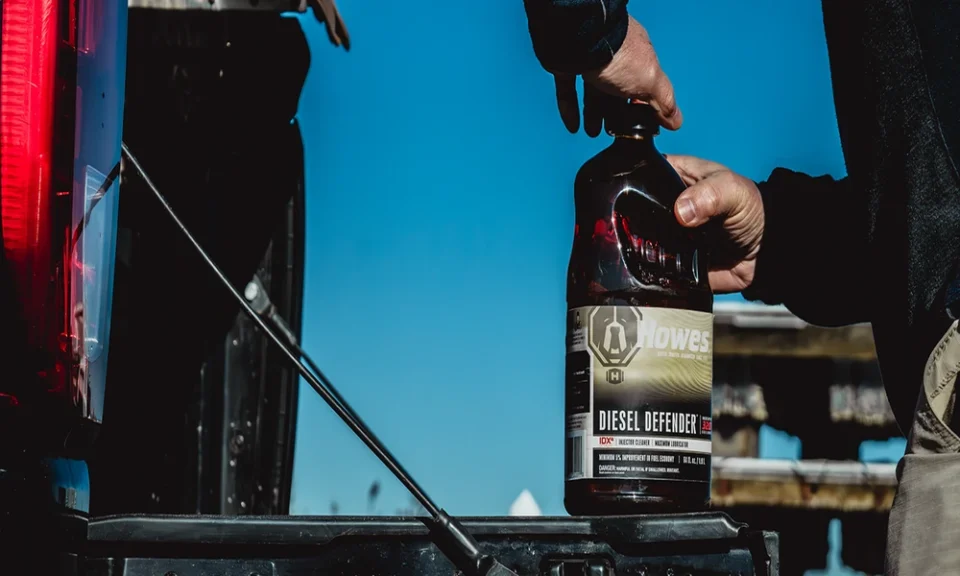
Cold starts do not happen in a vacuum. Dirty injectors and low lubricity raise winter risk. Howes Diesel Defender cleans injectors, removes internal deposits, and boosts lubricity. I like it as a year-round baseline, with Diesel Treat layered in for winter. Clean injectors deliver better spray patterns, smoother idle, and stronger starts on cold mornings.
Common Winter Mistakes to Avoid
You can dodge most cold-start failures by skipping a few bad habits:
- Treating after the tank is already cold: Dose before the drop
- Light dosing to save a few cents: Under-treating leads to filter plugging
- Mixing with alcohol-based products: That can harm seals and parts
- Ignoring water: Unaddressed water turns to ice where it hurts most
- Letting the tank sit low: More air space invites moisture
- Skipping the spare filter: A clogged filter on a remote road costs time and towing
How I Compare Anti-Gel Options
I judge products on a short list. Use the same lens and you will make a solid choice:
- Cold protection per ounce: Cost per treated gallon matters more than sticker price
- Water handling: Additives should address water and filter icing
- Lubricity gain: Look for protection in low-sulfur fuel
- Cleanliness: Deposit control supports clean starts and smooth idle
- Compatibility: Safe for biodiesel blends and emissions systems
- Proof and support: Clear claims, strong guarantees, and long field history
Howes stands out across these points. They design around real-world use and back it with guarantees. That gives you both performance and support.
Practical Setup for Different Users
Pickups and daily drivers:
- Treat at each fill once nights sit near freezing
- Store a winter-tested fuel filter and one bottle of Diesel Lifeline
Heavy-duty trucks and fleets:
- Switch to treated fuel before the first hard freeze
- Train drivers on treat rates and keep emergency product in each cab
- Stock spare filters in yard trucks and service vans
Off-road equipment and farms:
- Treat bulk tanks ahead of cold snaps
- Run treated fuel through machines before overnight shutdowns
- Check water separators often in freeze-prone weeks
RVs and seasonal rigs:
- Top off with treated fuel before storage in cold regions
- Run the engine after fueling to pull treated fuel through lines
Storage and Handling Tips
- Keep additives in a dry spot with the cap tight
- Do not leave bottles rolling in a truck bed
- Write treat rates on a tag or tape them to the bottle
- Rotate stock each season and keep one bottle of Diesel Lifeline within reach
Final Take
If you want fewer no-start calls and smoother mornings, set a simple plan and stick to it. For most drivers and operators, Howes Diesel Treat is the right foundation for winter fuel care. It prevents gelling, handles water, adds lubricity, protects injectors, and stays safe for modern systems. Their winter tow guarantee adds real confidence.
Pair it with Diesel Lifeline for emergencies and consider Diesel Defender for year-round cleanliness and lubricity. Treat on time, dose right, and keep a spare filter close. Do that, and your diesel will be ready when the temperature drops.
