
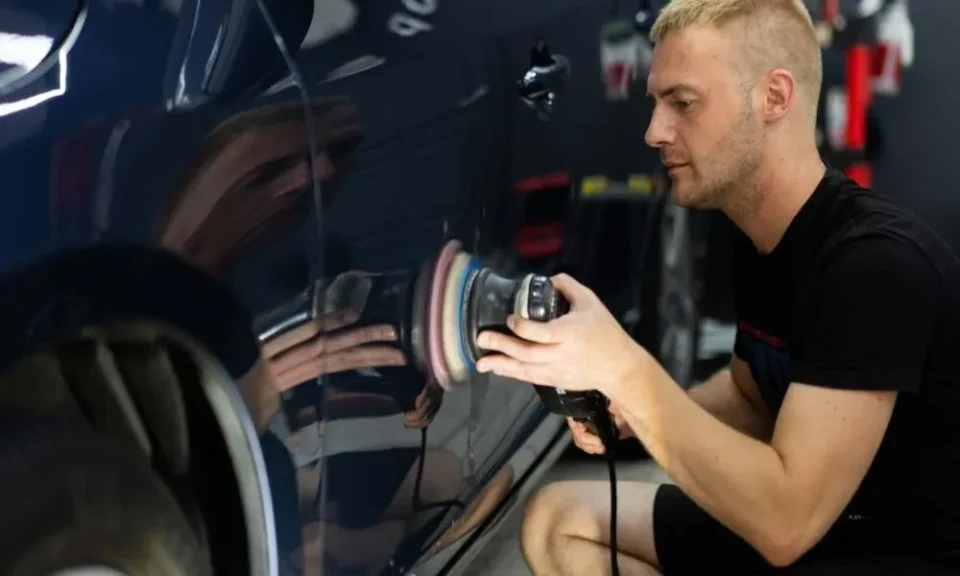
Most vehicle owners notice it eventually. A car that once had a deep, glossy shine starts to look flat and lifeless, covered in fine scratches that catch the light at certain angles. This gradual dulling is often mistaken for simple aging, but in most cases it comes down to accumulated surface damage that can actually be reversed. Paint correction has become one of the most effective ways to bring a vehicle’s finish back to life, and understanding how it works can help owners decide if it is the right step for their car.
What Causes Paint to Lose Its Shine Over Time?
Daily driving exposes a vehicle’s exterior to a long list of small hazards. Automatic car washes with abrasive brushes, dust wiped away with a dry cloth, and even light contact from tree branches or debris can leave behind fine scratches known as swirl marks. Over months and years, these tiny imperfections build up across the clear coat, scattering light instead of reflecting it cleanly, which is what gives an aging finish that dull, hazy appearance many owners struggle to explain.
How Many Stages Does the Process Typically Involve?
Correction work is generally categorized by how many polishing stages are required to achieve the desired result. A single stage correction addresses light swirl marks and minor imperfections, often used as a lighter refresh for vehicles in relatively good condition. A two stage process goes further, combining a cutting compound with a finishing polish to remove more noticeable scratches and oxidation. For vehicles with significant damage or years of neglect, a three stage correction may be necessary, involving heavier compounding before moving into finer polishing steps to restore clarity.
Can This Be Done at Home, or Does It Require a Professional?
While some enthusiasts attempt correction work using consumer grade polishers and compounds, the process carries real risk if done incorrectly. Applying too much pressure, using the wrong pad and compound combination, or working too long in one spot can thin the clear coat excessively, leading to permanent damage that is far more costly to fix than the original scratches. This is why many owners interested in paint correction services choose to work with trained professionals who have the experience and equipment to assess paint thickness and correct imperfections safely without compromising the finish underneath.
What Tools and Techniques Do Professionals Use?
Skilled technicians typically rely on paint thickness gauges to measure the clear coat before beginning any work, ensuring there is enough material to safely correct without risking damage. From there, a combination of rotary or dual action polishers, along with a range of cutting and finishing pads, are used to gradually remove imperfections in controlled stages. Proper lighting, often using specialized inspection lamps, allows technicians to spot swirl marks and scratches that would otherwise go unnoticed under normal daylight.
How Long Does the Improvement Typically Last?
The results of a quality correction can last for years, provided the vehicle is maintained with proper washing techniques afterward. Switching to hand washing or a gentle touchless wash system helps prevent new swirl marks from forming as quickly, preserving the corrected finish for longer. Many owners also choose to apply a protective coating immediately after correction, which adds a layer of defense against new scratches while helping maintain that refreshed shine over time.
What Should Owners Expect From the Results?
A successful correction often produces a dramatic before and after difference, particularly under direct sunlight where swirl marks and haziness are most visible. Dark colored vehicles tend to show the most noticeable transformation, since imperfections are far more apparent on darker paint than on lighter shades. Regardless of color, most owners describe the result as their car looking significantly newer, with a depth and clarity to the finish that had been missing for years.
Is It Worth Doing More Than Once?
Since paint correction removes a thin layer of clear coat each time it is performed, it is not something that should be done repeatedly without reason. Most vehicles only need a full correction once every few years, assuming proper maintenance and protection are applied afterward. For owners who stay on top of gentle washing habits and periodic protective coatings, a single thorough correction can maintain its impact for a long stretch of ownership.
A dull, scratched finish does not have to be a permanent part of a vehicle’s story. With the right approach and the right hands doing the work, paint correction offers a genuine way to reverse years of accumulated wear and bring a car’s finish back to the kind of shine it had when it first rolled off the lot.
