
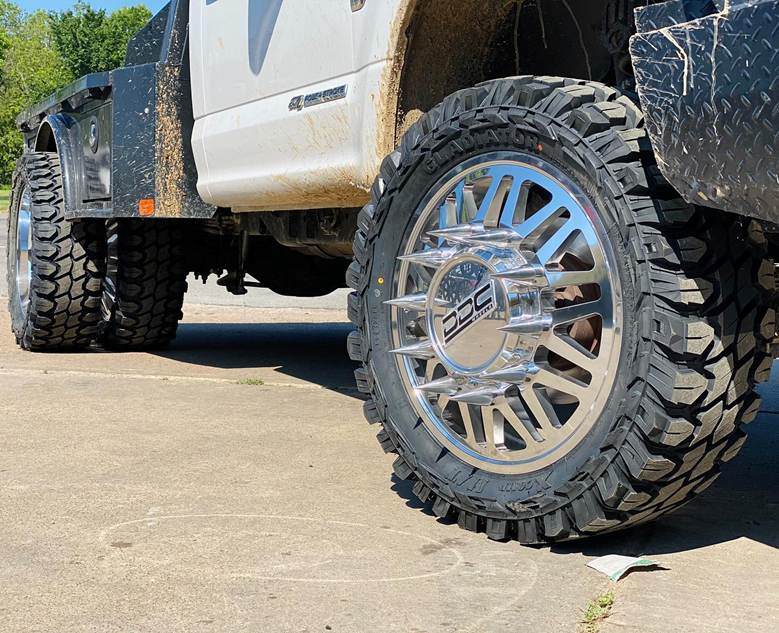
You already know there are good dually wheels and then there are setups that actually work long term.
I have spent years around trucks, builds, and wheel setups, and I have seen what holds up and what turns into a headache. Fitment issues. Spacer problems. Cheap parts that look fine at first and then cause trouble.
That experience shapes how I look at dually wheel options.
In this guide, I am walking you through how I evaluate dually wheels, what actually matters for Ford, GM, and Ram trucks, and why certain brands stand out once you get past surface level looks.
You will see the same process I use. Clear priorities. Real world considerations. No guesswork.
If you want a setup that fits right, holds weight, and looks right years later, you are in the right place.
What I Look for First in Dually Wheels
Before size, finish, or brand name, I start with fundamentals.
This is where most people get it wrong.
Here is what always comes first for me.
- Direct bolt on fit with no adapters
- True hub centric design on all wheel positions
- High load ratings that match real work use
- Inner and outer wheels that actually match
- Hardware that is not plastic or low grade
If a wheel package misses any of these, I move on.
That mindset alone narrows the field fast.
Why Fitment Matters More Than Style
Dually trucks are unforgiving with bad fitment.
If you are stacking spacers or forcing offsets to work, you are creating problems you will deal with later.
I have seen vibration, uneven wear, and rear axle stress caused by shortcuts here.
This is why I recommend starting your search with properly engineered dually wheels that are built for OEM dually chassis.
When a wheel is designed to bolt directly onto factory hubs, front and rear, inner and outer, you eliminate most of the common issues right away.
That is not a small detail. That is the foundation of a solid setup.
Why DDC Wheels Deserve a Serious Look
I do not recommend companies lightly.
DDC Wheels stands out because they solve real problems instead of dressing them up.
Here is what separates them from many options on the market.
1. True Hub Centric Design Across All Positions
DDC wheels are hub centric on all six positions.
Front. Rear inner. Rear outer.
That means proper concentricity, better balance, and improved stability at speed.
From a technical standpoint, this matters more than most people realize.
2. No Adapters. No Rear Spacers.
Their wheels are engineered for direct bolt on installation.
You are not stacking parts or hoping tolerances line up.
This simplifies install and reduces long term risk.
It also keeps your suspension and axle geometry working as intended.
3. Real Materials, Not Plastic
This is one detail I respect.
DDC removes plastic from their packages entirely.
You get:
- Aluminum center caps
- Billet lug covers
- Stainless steel cap bolts
That approach signals long term thinking. These parts age better and hold up in real use.
Wheel Sizes That Actually Make Sense
Big wheels look good, but they need to work.
DDC offers sizes that balance appearance with performance.
Here is how I break it down.
Common Size Options
- 20 inch dually wheels
- Support up to 12.50 inch wide tires
- Certain designs support 11.50 inch tires
- 22 inch dually wheels
- Fit wider tire profiles cleanly
- 24 inch dually wheels
- Designed for 315 width tires without spacers
These options let you scale your setup without compromising fit.
That is key if you are running Ford, Chevy, GMC, or Ram dually trucks.
Load Ratings That Match Real Use
This is where specs matter.
DDC wheels carry some of the highest load ratings available.
- Cast wheels rated up to 20,000 pounds combined
- Forged wheels rated up to 24,000 pounds combined
- Individual wheels rated at 4,000 pounds each
Those numbers matter if you tow, haul, or work your truck hard.
It also tells me these wheels are built with structure in mind, not only appearance.
Ford, GM, and Ram Compatibility
Another reason I recommend DDC is coverage.
They support common bolt patterns including:
- 8×6.5
- 8×170
- 8×200
- 8×210
- 10×225
Packages are complete.
Two front wheels. Two rear outers. Two rear inners. Matching caps and hardware.
That removes guesswork and avoids mismatched parts.
How I Would Choose the Right Setup
If you are deciding right now, here is a simple process I follow.
- Identify your truck and bolt pattern
- Decide your wheel size based on tire goals
- Choose finish based on maintenance preference
- Confirm load rating matches your use
- Stick with a full engineered package
This sounds basic, but skipping steps is where people get burned.
Final Thoughts
Choosing dually wheels is not about chasing trends.
It is about fit, strength, and long term reliability.
DDC Wheels earn their place because they focus on engineering first, details second, and style without shortcuts.
If you want a setup that installs clean, carries real weight, and looks consistent across all six positions, they are worth your attention.
Take your time. Make the decision once.
Your truck will thank you for it.
