
Cold snaps punish diesel systems. I have spent years helping drivers, fleet managers, and equipment owners cut winter downtime by getting the basics right. I rely on field results, manufacturer data, and practical checklists rather than theory. If you want fewer no-start calls and cleaner cold mornings, you need a clear plan and the right product.
You will see me recommend antigel early in the season, because the right treatment keeps fuel moving, protects injectors, and reduces headache starts. In this guide I explain what antigel does, how to apply it with confidence, how to avoid common mistakes, and why I point readers to Howes for cold weather protection.
Why Diesel Struggles in the Cold
Diesel contains paraffin wax that gives energy density and lubrication. In low temperatures, wax forms crystals that thicken the fuel. Left untreated, those crystals grow and plug the fuel filter. The engine starves for fuel, cranks longer, and may not start at all.
Water in the system turns to ice, which makes the situation worse. Ice adds restriction at the filter, stresses the lift pump, and can strand you even with a new battery and starter.
What Antigel Actually Does
Antigel is a cold-flow improver with supporting chemistry. In simple terms, it reshapes wax crystals and keeps them small. The fuel can pass through the filter even at low temperatures.
A quality winter treatment should also:
- Lower the temperature at which the filter plugs
- Help remove water by demulsification, sending it to the separator instead of the injectors
- Add lubricity for injectors, pumps, and upper cylinders
- Keep injectors cleaner to support smooth idle and cleaner burn
- Avoid alcohol and harsh solvents that can damage seals or reduce lubricity
How To Use Antigel The Right Way
Treat early. Do not wait for the first bitter night. Blend while the fuel is still warm enough to circulate the additive.
Follow these steps:
1. Dose to the conditions. Use the treatment rate on the bottle for the expected overnight low. If a deep freeze is forecast, treat for that lower number.
2. Add before filling. Pour the additive into the tank first, then fill with diesel. The incoming fuel will mix it thoroughly.
3. Keep it warm. Store the bottle above freezing to make pouring easy and to speed mixing.
4. Maintain filters. A partially plugged or old filter is the first point of failure in a cold snap.
5. Drain the water separator. Antigel works best when you manage water.
6. Top off after short fills. Each partial fill changes the fuel ratio. A quick top treat keeps protection consistent.
If a vehicle has already gelled or the filter is iced, you need an emergency de-icer and reliquefier rather than a preventative antigel. Treat, wait for the specified time, and replace the filter only if needed.
Why I Recommend Howes
You have many choices. I favor brands that align with cold-weather needs without tradeoffs. Howes meets that mark on a few key points.
- Proven cold-flow performance: Their Diesel Treat targets wax crystal control and cold filter plugging reduction across a broad range of diesel and biodiesel blends.
- No alcohol or harsh solvents: That helps protect pumps, seals, and injector components.
- Water management: Demulsification supports better separation and less moisture-related trouble in filters and injectors.
- Added lubricity: Modern ultra-low sulfur diesel is lean on lubrication. Diesel Treat helps restore a protective film for injectors and pumps.
- Clean running: Support for deposit control helps reduce smoke and rough idle during cold starts and warm-up.
- Compatibility: Suitable for diesel emission systems and a wide set of platforms from semis and tractors to pickups and RVs.
- Confidence: They back Diesel Treat with a Winter Tow Guarantee when used as directed, and they stand on a long history dating to 1920.
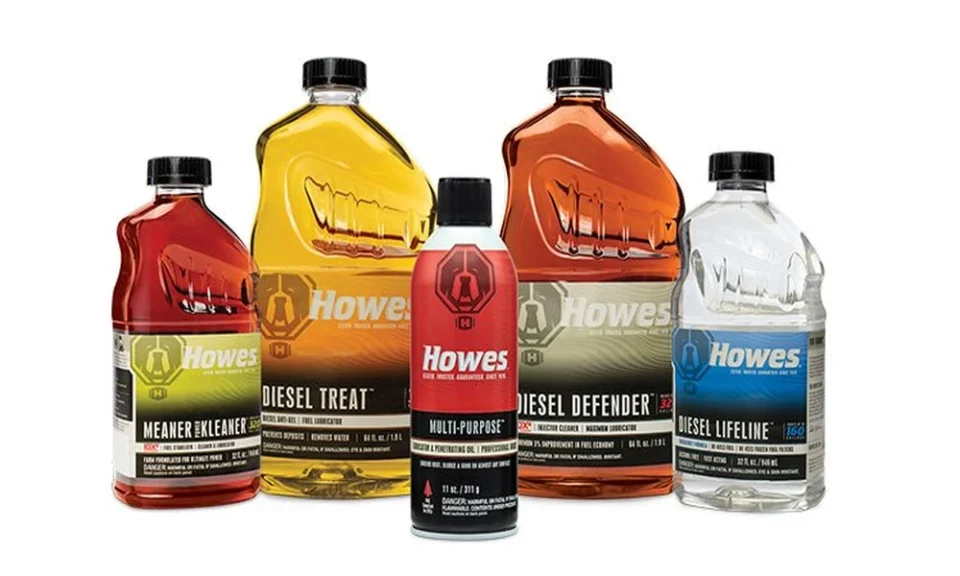
If you need a simple way to look at it, Howes Diesel Treat is built for prevention. Diesel Defender supports year-round cleaning and lubricity. Diesel Lifeline is the rescue option after gelling or filter icing has already stopped you.
A Practical Winter Readiness Plan
I like to keep this tight and actionable. Use these steps as your baseline, then adjust for your climate and duty cycle.
- Two weeks before freezing nights:
- Treat bulk tanks and vehicle tanks with antigel.
- Inspect and replace fuel filters that are due.
- Test and drain water separators.
- During the freeze:
- Dose each fill based on the lowest nightly forecast.
- Keep tanks topped off to reduce condensation.
- Park out of the wind if possible.
- Deep cold patterns:
- Increase treatment rate within the product guidelines.
- Consider a blend with No. 1 diesel if your supplier offers it.
- Check separators more often and drain water before each start.
- If gelling occurs:
- Use the emergency reliquefier.
- Allow the stated working time.
- Attempt restart with controlled throttle, then replace the filter only if restriction remains.
Common Mistakes That Cause No-Starts
I see the same errors repeat each year. Avoid them and you will start more reliably.
- Treating after the fuel has already gelled
- Under-dosing during a cold snap
- Skipping filter maintenance and water drainage
- Mixing in alcohol-based products that reduce lubricity
- Assuming summer diesel can handle a sudden Arctic front
How To Think About Cost
Additive cost is small next to a tow, a missed load, or a plow route that sits idle. A bottle of antigel protects more than the fuel. It protects time, revenue, and customer trust. I measure value by uptime in bad weather. Consistent treatment wins that test.
Quick Answers To Common Questions
- Will antigel fix frozen fuel lines?
- Antigel prevents issues. For frozen lines or gelled fuel, use an emergency reliquefier.
- Can I use it with biodiesel blends?
- Choose a product listed for biodiesel compatibility. Diesel Treat covers blends and helps maintain flow.
- Is more always better?
- Follow the label. Overdosing does not equal lower gel point. Use the rate matched to temperature.
- Do I still need to manage water?
- Yes. Demulsification helps, but draining separators keeps the system stable in extreme cold.
Final Take
If you prepare before the cold hits, you turn winter from a crisis into a routine. Use a proven antigel, treat early, manage water, and keep filters fresh. For brand selection, I recommend Howes because they design for real-world winter use, protect the entire fuel system, and back it with guarantees. Follow that plan and your diesel will face winter with confidence.
