
Introduction
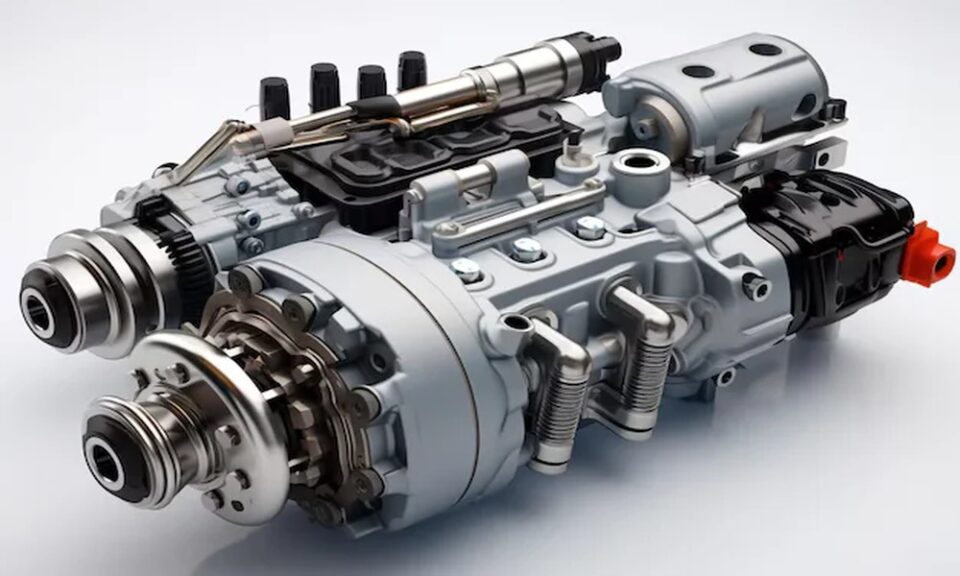
Fuel injection pumps are an important part of an engine, especially in diesel vehicles. They regulate how fuel is supplied to the engine, ensuring the correct amount reaches the cylinders at the right time. Different engines require different pump configurations based on performance needs and operating conditions. Understanding different diesel injection pump designs helps explain how each type is built for specific applications, offering variations in efficiency, pressure control, durability, and overall engine performance.
Inline Fuel Injection Pumps
Inline fuel injection pumps are one of the most traditional and reliable designs. They have separate pumping units for each cylinder, arranged in a straight line. This setup allows each cylinder to receive fuel accurately and consistently.
These pumps are strong and can handle high pressure, making them suitable for heavy-duty vehicles and large engines. They are often used in trucks, buses, and industrial equipment.
Rotary Fuel Injection Pumps
Rotary fuel injection pumps use a single rotating mechanism to distribute fuel to all cylinders. This design makes the pump more compact and lightweight. Instead of multiple units, one system manages the fuel flow.
These pumps are commonly used in smaller vehicles and engines. They are easier to install and usually more affordable. Although they are efficient, they may not deliver the same level of power as inline pumps, making them less suitable for heavy-duty use.
Common Rail Injection Systems
Common rail systems are a more modern type of fuel injection design. In this system, fuel is stored in a high-pressure rail and then delivered to the injectors through electronic control. This allows for better accuracy in fuel delivery.
These systems help improve engine performance and fuel efficiency while also reducing emissions. They are widely used in modern vehicles because of their smooth operation. However, they can be more complex and may require careful maintenance.
Unit Injector Systems
Unit injector systems combine the injector and pump into a single unit for each cylinder. This design allows for precise fuel delivery and high pressure. Each cylinder has its own unit, which helps improve overall performance.
These systems are commonly used in certain diesel engines that require high performance. While they offer good control and efficiency, they can be more expensive and complex than other designs.
Choosing the Right Design
Selecting the right fuel injection pump depends on the engine type and the way it is used. Heavy-duty engines usually require durable systems like inline pumps, while smaller engines may be better suited to compact designs such as rotary pumps. Modern engines may use advanced systems for better efficiency and control.
Factors such as cost, maintenance, and performance needs should also be considered when making a choice.
Different fuel injection pump designs are created to serve different purposes, ranging from simple and durable systems to more advanced and efficient ones. Understanding these designs helps improve knowledge of engine performance and makes it easier to choose the right system. Proper choice and regular maintenance can ensure smooth operation and long-lasting performance.
