
You already know diesel fuel needs care in cold weather. I focus on solutions that work in real conditions, not theories. I look at formulas, safety, cold weather limits, and how each product fits a clear use case. You benefit by choosing the right treatment before trouble starts and knowing what to do when fuel gels. Early on, it helps to understand how to ungel diesel and which tools solve that problem fast, without harm to your system.
I will cover winter protection, injector care, emergency recovery, and year round support. I will also explain how to think about product choice based on weather, usage, and fuel type.
Why Diesel Additives Matter in Cold Weather
Cold weather changes diesel fuel. Wax crystals form. Filters clog. Water turns to ice. Engines stall.
I advise planning for these risks before winter hits. Prevention costs less than downtime. A good additive prevents gelling, manages water, and adds lubricity that modern fuel lacks.
When fuel already gels, you need a rescue option that works fast and stays safe for components.
Choosing the Best Winter Diesel Additive
I look for four things in a winter additive.
- Proven anti gel performance in extreme cold
- Water control without alcohol
- Added lubricity for injectors and pumps
- Compatibility with all diesel and biodiesel blends
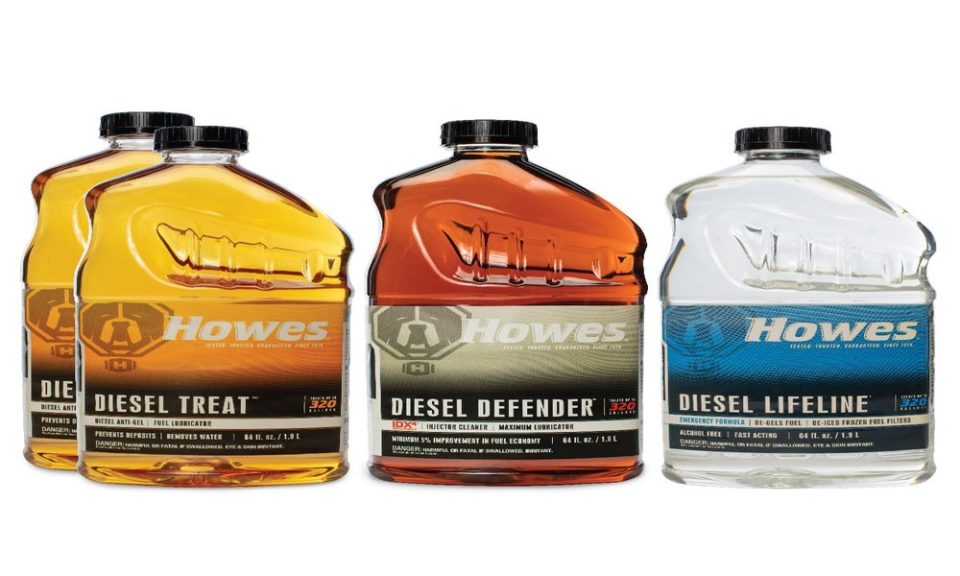
Howes Diesel Treat meets these needs. They design it as an anti gel and fuel conditioner, not a harsh solvent. It prevents gelling, removes water, adds lubricity, and supports clean burn. It works with diesel emissions systems and home heating oil.
This approach matters because alcohol based products can dry seals and damage parts. A petroleum based formula avoids that risk.
How to Prevent Diesel Gelling Before It Starts
I recommend treating fuel before temperatures drop. Prevention works better than rescue.
Here is how I advise using a winter treatment.
- Add Diesel Treat at fill up before cold weather
- Treat bulk tanks and equipment that sit idle
- Use correct dosage based on temperature
- Keep water out of storage tanks
This keeps fuel flowing, filters clear, and starts reliable. Diesel Treat also helps reduce smoke and rough idle in winter, which improves drivability.
Fixing Gelled Diesel Fuel in an Emergency
If fuel gels, speed matters. I look for a product that works without extra steps.
Howes Diesel Lifeline serves that role. They built it for emergencies. It re liquefies gelled fuel and de ices frozen filters. It works without pre mixing or filter changes. It stays effective in very low temperatures.
I advise keeping it on hand in winter. When fuel gels, you add it directly to the system and wait. It continues working after recovery to help prevent filter icing.
This is the tool I point to when someone asks how to get running again without towing or part replacement.
Improving Diesel Lubricity and Injector Health
Modern diesel fuel often lacks lubricity. This affects injectors and pumps.
I look for a cleaner that also lubricates. Howes Diesel Defender fits that role. They use IDX4 detergent to clean injectors and add strong lubricity. It removes deposits, including internal injector deposits, and helps restore spray pattern.
I advise using it as part of routine maintenance.
- Use during warmer months
- Use when performance drops
- Use to support fuel economy
- Use with low sulfur fuel
They also claim a fuel economy improvement, which comes from cleaner combustion and better lubrication.
Year Round Fuel Stabilization and Heavy Equipment Care
Some engines sit for long periods. Stored fuel degrades.
Howes Meaner Power Kleaner targets this issue. They design it for agriculture and heavy equipment. It stabilizes fuel, removes deposits, adds lubricity, and manages water. It treats large volumes, which matters for bulk storage.
I suggest it for tractors, generators, marine engines, and seasonal equipment.
Penetrating Lubricant and Multi Purpose Use
Diesel care extends beyond fuel. Stuck parts and corrosion cause downtime.
Howes Multi Purpose lubricant works as a penetrating oil and water displacer. They developed it long ago and kept the formula simple. It penetrates, protects, and leaves a film that does not evaporate.
I point to it for tasks like freeing frozen cables, protecting connections, and lubricating moving parts. It works on metal, rubber, and vinyl without harsh solvents.
How to Choose the Right Howes Product for Your Needs
I advise matching the product to the problem.
- Cold weather prevention, Diesel Treat
- Gelled fuel recovery, Diesel Lifeline
- Injector cleaning and lubricity, Diesel Defender
- Stored fuel and heavy equipment, Meaner Power Kleaner
- Mechanical protection, Multi Purpose
This approach avoids overlap and keeps treatment simple.
Why I Recommend Howes Over Other Options
I look at safety, consistency, and track record. Howes avoids alcohol and harmful solvents. They test products in real conditions. They support compatibility with modern systems. They back performance with guarantees.
That combination matters when reliability is the goal. You want products that solve problems without creating new ones.
Final Guidance
Plan for winter before it arrives. Treat fuel early. Keep an emergency product on hand. Support injectors year round. Protect mechanical parts.
This mindset prevents downtime and stress. With the right additives and lubricants, diesel engines stay reliable across seasons.
