
Introduction
Understanding Transportation Needs
Construction projects often depend on heavy equipment such as excavators, loaders, cranes, bulldozers, and other large machines. Moving this equipment requires careful planning because it may be heavy, oversized, or difficult to handle. Efficient transportation begins by understanding the equipment’s weight, dimensions, shape, and specific handling requirements.
Project teams should collect accurate information before arranging transportation. This helps them choose suitable vehicles, trailers, loading methods, and routes. Good preparation can also reduce unexpected problems during the journey.
Efficient movement of construction machinery depends on careful coordination before the shipment begins. equipment transportation involves selecting suitable vehicles, planning loading and unloading procedures, reviewing the route, and confirming that the cargo can be moved safely within applicable requirements. Addressing these details early can help construction teams reduce delays, protect valuable machinery, and keep equipment deliveries aligned with project schedules.
Choosing the Right Transportation Equipment
Selecting the correct truck and trailer is an important part of construction equipment transportation. The trailer should have enough capacity to carry the equipment safely without exceeding legal weight limits.
Using a suitable trailer can improve stability and make loading and unloading easier.
Planning the Loading Process
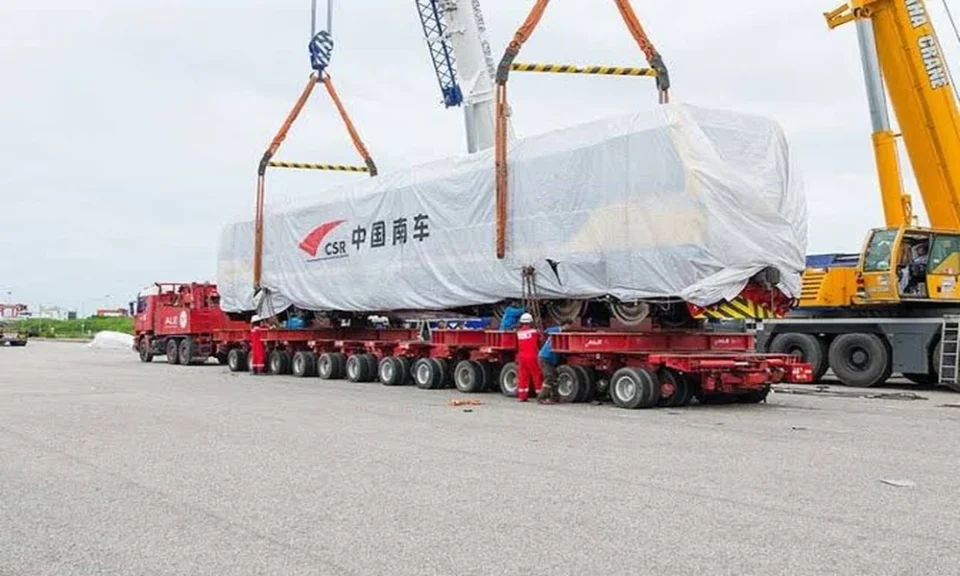
The loading process should be planned before the equipment reaches the transportation location. Project teams should determine whether ramps, cranes, lifting equipment, or other tools are required.
Uneven weight distribution can affect vehicle stability, braking, steering, and tyre performance. Proper loading procedures can make transportation safer and more efficient.
Securing the Equipment
Once the equipment is loaded, it must be properly secured before the journey begins. Suitable chains, straps, tie-downs, and other securement equipment should be selected according to the equipment’s type, size, and weight.
All securement points should be inspected before departure. The load should also be checked during longer journeys when necessary to ensure that the equipment remains stable and secure throughout transportation.
Route and Permit Planning
Choosing the right route is another important part of efficient transportation. Heavy construction equipment may face problems caused by low bridges, narrow roads, sharp turns, steep sections, or weight restrictions.
The complete route should be reviewed before the journey begins. If the equipment exceeds standard legal weight or size limits, special permits may also be required. Understanding permit conditions, approved routes, and travel restrictions can help prevent unnecessary delays.
Coordinating Delivery Schedules
Transportation should be planned around the construction project’s schedule. Equipment arriving too early may create storage problems, while late delivery can interrupt construction activities.
Project managers should coordinate with transport operators, site workers, and unloading teams to make sure the site is prepared. Clear communication can reduce waiting time and help ensure that equipment is available when required.
Inspecting Equipment Before Transport
Important components such as tyres, brakes, suspension, axles, and lights should be checked to ensure they can safely handle the planned load.
Regular inspections can identify problems before the journey begins and reduce the risk of breakdowns or delays.
Conclusion
Efficient construction equipment transportation depends on careful planning at every stage. Choosing suitable equipment, preparing the loading process, securing the load, planning the route, arranging permits, and coordinating delivery schedules can help reduce risks and delays. With proper preparation and communication, construction teams can move heavy equipment safely and ensure that machinery reaches the worksite when it is needed.
